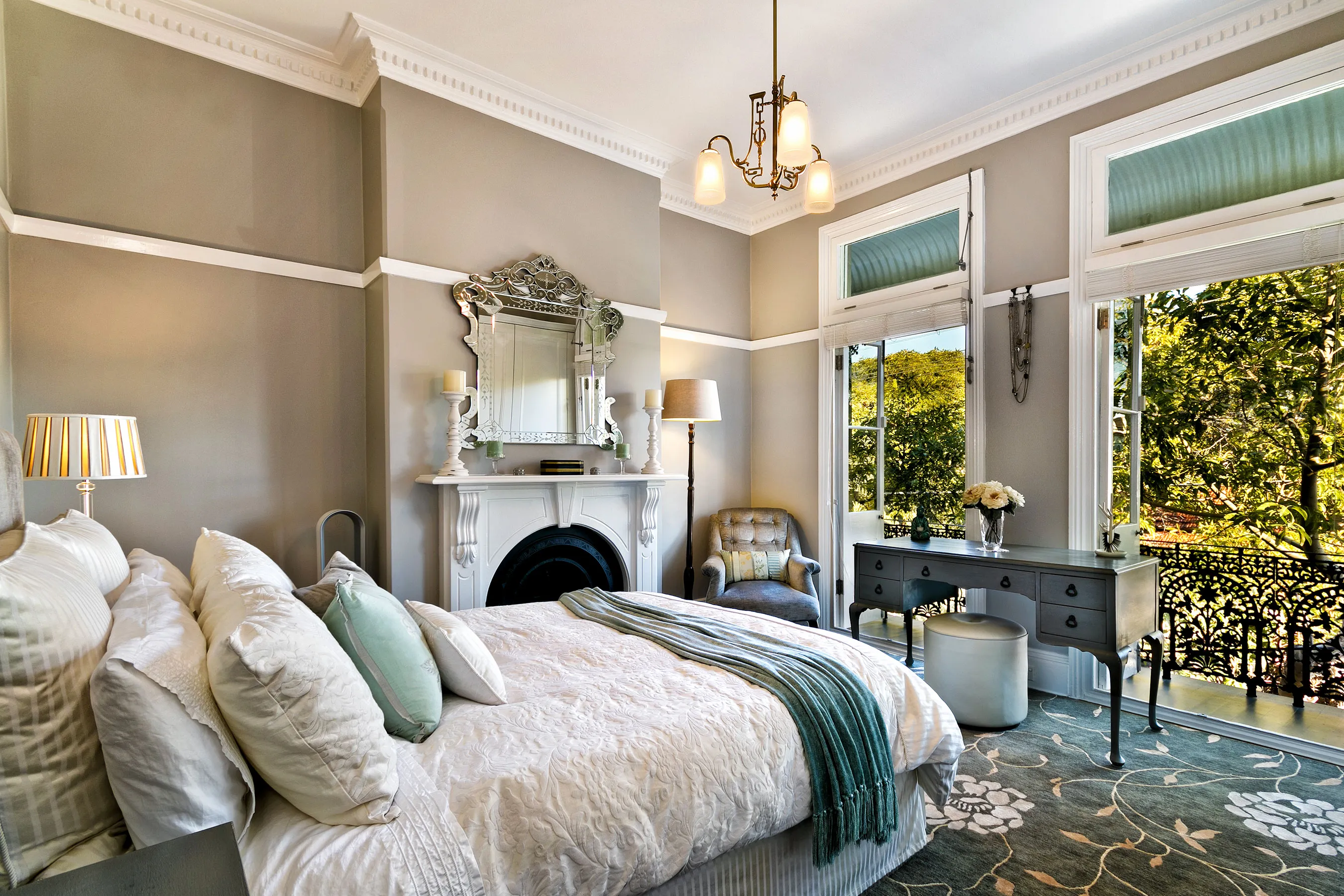
Professional painting tips that save you time and money
This simple routine will keep your new paint looking fresh and add years to the life of your painted surfaces. Inspect all painted finishes at least once a year. Maintenance extends the life of your interior and exterior paint, saving you time and money.

Exterior Painting
Dealing with mildew and mold
Exterior paint can support mildew growth, particularly after the paint has weathered for more than a couple of years. Mildew will most likely occur on northern exposures and in shaded, damp areas. When you discover mold or mildew, call your painting contractor, or do as follows:
- Protect plants and grass.
- Apply a mixture of water and household bleach to the mildewed area and a one-foot margin, using a brush or a garden sprayer. Wear eye and skin protection and a respirator.
- Allow the mixture to remain on the surface for fifteen minutes.
- Rinse off or power-wash the area thoroughly.
Dealing with dirt and chalk
Airborne dirt can accumulate on paint and discolor it. Soil can then become a fertile food source for mildew. Chalky pigment can be released from the paint film as it weathers, fading colors and causing a streaky rundown. Both soil and chalk can be removed by scrubbing or power washing.
- Scrubbing is done with a mild detergent and a scrub brush, followed by thorough rinsing. Don’t use harsh alkaline cleaners, as these can reduce the gloss of alkyd and some latex paints.
- Power washing is a quick way to put a shine on your house at a fraction of the cost of repainting. When power washing, use care not to lift paint or damage the substrate. It is an aggressive cleaning method and should not be used more than once or twice per year.
Watch out for cracking and peeling
It is essential to check or this exterior paint condition and catch failures early. You will minimize subsequent, more significant paint failures. Examine the paint closely for cracking and peeling, and repair immediately.
- Check for open joints around doors, windows, and trim. Fill with good-quality caulking compounds.
- Peeling often starts on windowsills and surfaces painted in darker colors. Scrape and sand loose material, spot prime, then touch up.
May your paint job remain great-looking for many years to come!
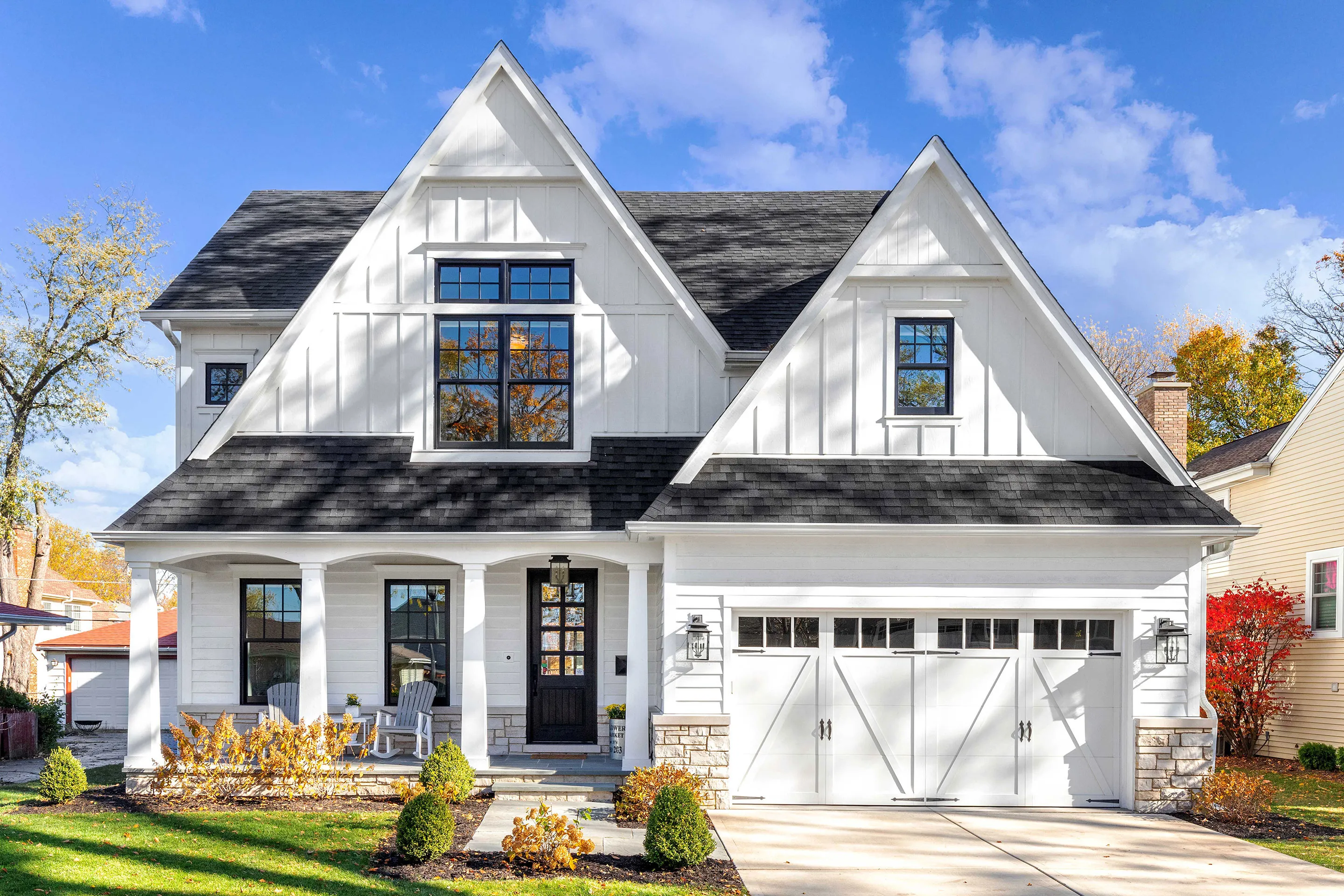
Interior Painting
Here are a few interior paint maintenance tips that can help extend the life of your new interior paint job and ultimately save you time and money:
Dealing with dirt
Interior paint typically gets dirty with handprints around switches and knobs, splashes in kitchens and bathrooms, marks on hallways and corridors, and soot accumulating above electric lamps and other heat sources. While changing color is always a good reason for repainting, covering over the dirty paint is often avoided or postponed. Removing dirt before it accumulates not only improves appearance but also reduces the chances of it getting permanently embedded in the paint film.
Check for dirt periodically. Assume it will be present in and near cooking areas, and at all locations at hand height. Always initially clean the surface with a mild detergent using a sponge or soft cloth. Resort to harsher cleaners only when necessary, recognizing that alkaline cleaners can dull the sheen or gloss of oil-based paint. Abrasive cleaners will burnish nearly any paint and dull the luster of satin, semi-gloss, and gloss products. Washed surfaces should be rinsed thoroughly, because residual cleaner can interfere with the paint adhesion applied later.
Battling mildew
Watch for mildew growth on painted surfaces that tend to be moist, such as laundry and basement areas, bathrooms, and kitchens. Mildew should be treated and removed, never painted over.
Apply a water-and-household-bleach mixture to the mildewed area using a rag or sponge. Wear eye and skin protection and a respirator. With colored paints, do a test area first. Protect the floor and nearby articles. Allow the mixture to remain on for twenty minutes; add more as it dries. Rinse off the area thoroughly.
Stopping the paint from sticking (blocking)
Sometimes, painted surfaces will adhere, like a door and jamb. Most likely, the painted surfaces are put back into service before the paint has thoroughly dried. Dark-colored paints tend to block more light than light-colored or white paints. Glossier paints block more than flat paints. Warm and damp conditions increase the tendency to block, and of course, applying pressure increases blocking.
Always allow ample time for the paint to dry before putting the painted object back into service. If blocking is observed, rub talcum powder or candle wax onto both surfaces to alleviate sticking. The plasticizer in gaskets used in windows and doors can soften latex paint and cause sticking. This is problematic with new gaskets and dark-tinted paints. Steps to minimize this include waiting several weeks before painting a new installation, using a light color or white paint, and applying talcum powder or candle wax to the gasket and the paint.